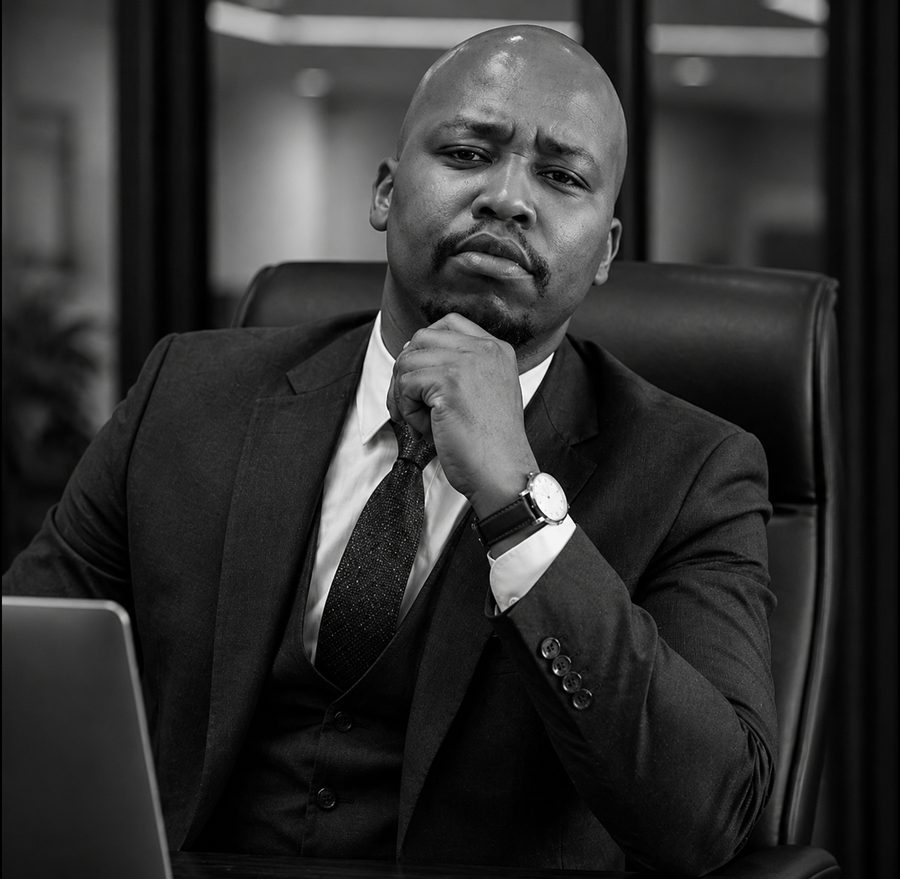
End-to-end product thinking.
From discovery and research through information architecture, UX, UI, functional prototypes and production-ready experiences, I've helped turn ideas into products that people can use with confidence.
Design Lead • AI-native Builder • Founder • 14+ Years
Experience has taught me that great products aren't built by individuals — they're built by teams that trust one another, communicate openly and stay focused on solving the right problems.
I've never believed in limiting myself to a single discipline. Throughout my career I've worked across research, information architecture, UX, UI, product strategy, functional prototyping and delivery — wearing the hat the product needed most at that moment.
Running my own company reinforced something I've always believed: accountability builds trust, humility builds teams, and curiosity keeps us moving forward.
Today I combine that experience with AI-native ways of working — not because AI replaces good design, but because it helps remove friction, uncover insights faster, and gives teams more time to focus on the work that matters most: building products that improve people's lives.
Strength doesn't have to be aggressive.
In practice
From discovery and research through information architecture, UX, UI, functional prototypes and production-ready experiences, I've helped turn ideas into products that people can use with confidence.
I've learned that the best teams are built on trust, accountability and open communication. Creating space for different perspectives leads to stronger decisions and better products.
Every project brings new challenges, technologies and ways of thinking. I embrace AI-native workflows as part of that evolution, while staying grounded in the timeless principles of great product design.
Ownership
Founding UKLM Tribe pushed me beyond the boundaries of design. It challenged me to think like a product owner, make difficult trade-offs, understand commercial realities and stay accountable long after the design was signed off.
It meant learning how research, product strategy, engineering, deployment and customer feedback all influence one another. Sometimes that meant leading a team. Sometimes it meant building the solution myself. More often than not, it meant doing whatever the product needed to keep moving.
That experience changed the way I approach every engagement. I don't see design as a phase in delivery — I see it as part of a much larger system where people, technology and business goals need to move together.
01 · Think
Research, discovery, stakeholder alignment and asking better questions before jumping into execution.
02 · Build
From information architecture and UX through UI, prototyping and delivery, I stay involved until ideas become something people can actually use.
03 · Lead
Creating clarity, encouraging open discussion and building trust across product, engineering and business teams.
04 · Evolve
Whether it's AI-native workflows, new technologies or changing customer expectations, I believe great designers remain curious long after they've become experienced.
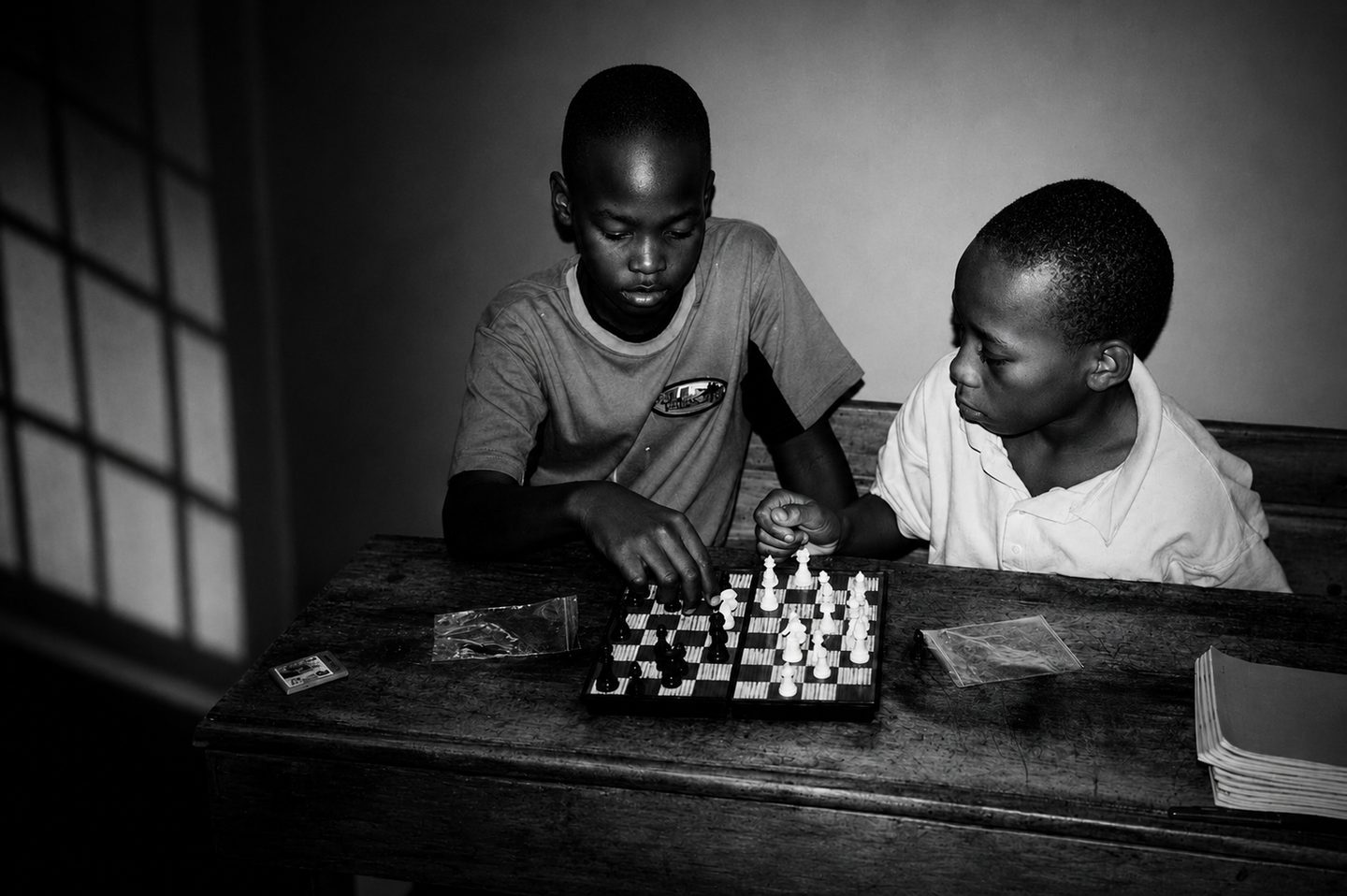
Thinking together.
How I Lead
"In my experience, it's uncommon to find Design Leads who remain actively involved in the craft while also guiding the team."
The best ideas don't always come from the first workshop or the final presentation — they emerge through exploration, iteration and collaboration. That's why I choose to stay close to the work.
Being hands-on isn't about control; it's about understanding. I enjoy sketching ideas, exploring concepts, refining interactions and working alongside the team to solve problems together. I'm often my own toughest critic, constantly questioning whether we can make the experience simpler, clearer and more meaningful.
I've found that many Design Leads naturally move away from the craft as their responsibilities grow. I've chosen a different path. Staying involved helps me make better decisions, remove blockers earlier and contribute in ways that go beyond reviews and meetings.
Leadership has never meant stepping away from the work.It means being part of it.
Leadership isn't measured by the work I produce alone. It's reflected in the confidence, capability and growth of the people I work alongside. I enjoy mentoring, sharing knowledge and creating opportunities for others to lead.
Whether I'm working with designers, engineers, product managers or executives, my role is to help everyone see the same problem clearly. Alignment isn't about agreement — it's about building a common understanding that helps teams move forward together.
Every project has uncertainty. I believe in surfacing risks early, asking difficult questions and helping teams navigate challenges with transparency rather than waiting for problems to grow.
Product Care
Over the years I've had the opportunity to build products from both ends of the spectrum — creating platforms from a blank page and evolving enterprise systems that millions of people rely on every day. While the contexts have been different, the mindset has remained the same: understand the problem deeply, build with care and create experiences people can trust.
Whether designing onboarding journeys, modernising complex platforms or shaping entirely new digital products, I've learned that great experiences don't come from adding more. They come from understanding what people are trying to achieve and removing the unnecessary complexity that stands in their way.
For me, product design has never been about moving users through a journey. It's about understanding their intent, respecting their time and building systems that feel thoughtful, reliable and genuinely useful — from the very first interaction through to long-term use.
I've designed products from the ground up and helped evolve mature enterprise platforms. Different starting points, the same commitment to building products that people can trust.
Migration isn't just moving technology — it's helping customers continue their journey with confidence while balancing business, engineering and regulatory needs.
Whether designing onboarding, authenticated journeys or enterprise workflows, I focus on reducing unnecessary complexity while preserving what matters most to customers.
The best ideas are the ones that can actually be built. I enjoy working closely with engineering and product teams to ensure the experience remains strong all the way through implementation.
Lessons from the work
Every project has challenged me in different ways. Some taught me how to navigate enterprise complexity. Others pushed me to build products from the ground up, make difficult trade-offs or solve problems I hadn't encountered before.
Together they represent more than a portfolio — they reflect how my thinking has evolved and why I lead the way I do today.
Standard Bank
Sometimes the biggest UX problem isn't on the screen — it's hidden in the systems behind it.
I learned that when people spend too long in one part of a journey, they're often telling us something. It could be unclear information, unnecessary complexity or disconnected systems creating friction. Good design isn't about making interfaces look better; it's about understanding why people hesitate in the first place.
For me, UX is the intelligence of the experience. It's taking complexity, understanding it deeply and presenting it with enough care that people can move forward with confidence.
The best UX doesn't decorate complexity. It removes it.
UKLM Tribe
Building your own product changes the relationship you have with every decision you make.
When you're responsible for the research, strategy, design, engineering and delivery, you quickly realise that every small decision compounds into the experience people eventually have. It teaches accountability, but it also teaches care. Every feature, every interaction and every trade-off becomes something the team can stand behind and something customers can genuinely enjoy using.
You become what you build.
Nedbank
A successful migration isn't measured by how quickly people move to a new platform. It's measured by how naturally they continue what they came to do.
Customers arrive with intent. Our responsibility is to help them achieve it with as little friction as possible. If they want to go deeper, we create clear paths to explore more — but we never make complexity the default.
Migration isn't about moving systems. It's about preserving confidence while everything else changes.
The best migrations feel almost invisible to the customer.
Healthcare & Mining
The most complex industries often demand the simplest experiences.
People should never feel like an afterthought in the systems they're expected to use. Every design decision should begin with understanding real needs, supported by evidence, research and continuous learning. Simplicity isn't achieved by removing features — it's achieved by deeply understanding what matters and designing with honesty.
For me, simplicity is a responsibility. It's the result of doing the hard work before asking customers to do theirs.
People aren't an edge case. They're the starting point.
Why I still love this work
Over the years I've realised that the projects I remember most aren't always the biggest or the most complex. They're the ones where talented people came together, challenged each other's thinking, solved difficult problems and built something we were genuinely proud of.
I'm energised by environments where curiosity is encouraged, ideas can be challenged respectfully and everyone feels responsible for the outcome — not just their part of it.
Whether that's helping an enterprise evolve a complex platform, building a new product from the ground up or supporting a team as they grow, I enjoy being close to the work, collaborating with good people and creating products that earn the trust of the people who use them.
If that sounds like the kind of team you're building, I'd love to continue the conversation.
Explore more of my work: uklmtribe.co.za →